Notes on brand, audience and content that works
Practical writing on brand voice, how buying decisions actually get made, and the craft of content that sounds like a person. Drawn from thirty years of client work and from building BraVo.

How to make AI writing sound like you
AI writes the average because nothing in the prompt asks it to choose. Here is how to give it the decisions that make writing sound like you.

AI humanisers: what they miss, and what to do instead
Humaniser tools rewrite the surface of a draft. The problems that make AI writing flat sit underneath, and need fixing before the draft exists.
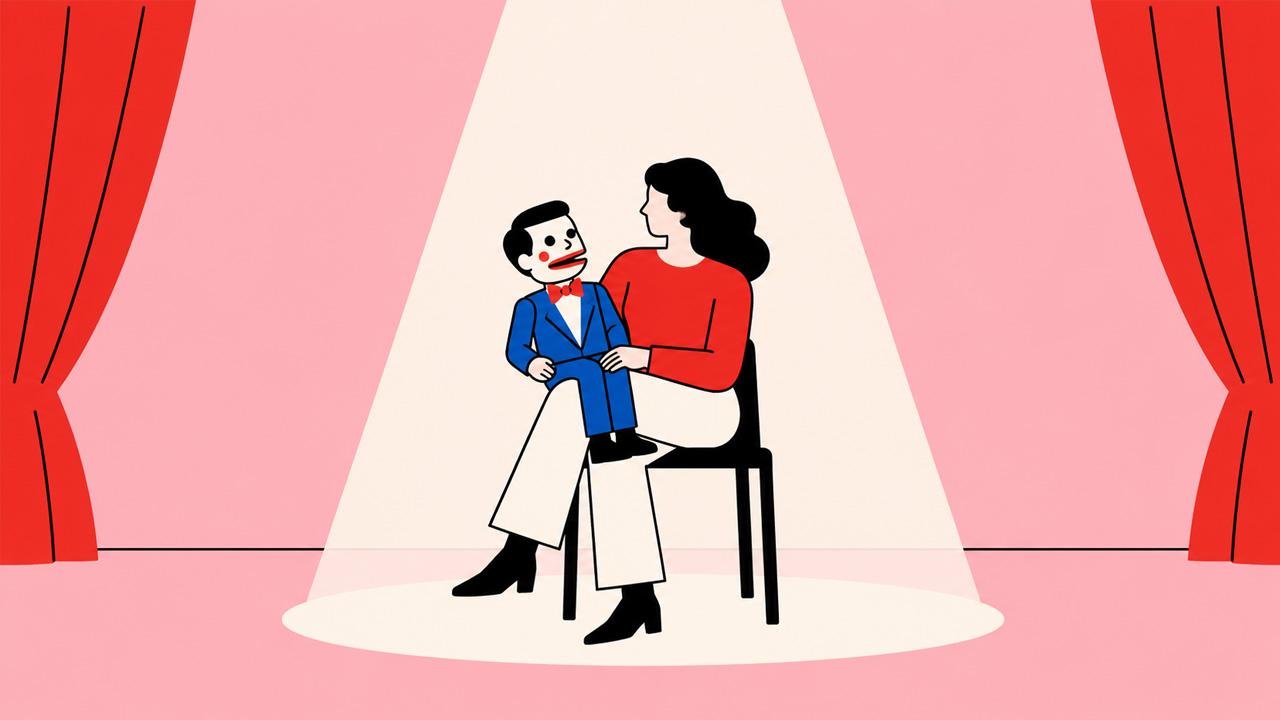
How to train ChatGPT to write in your voice
ChatGPT doesn't retrain on your writing. It reads the context you give it, so the work is in writing that context well.
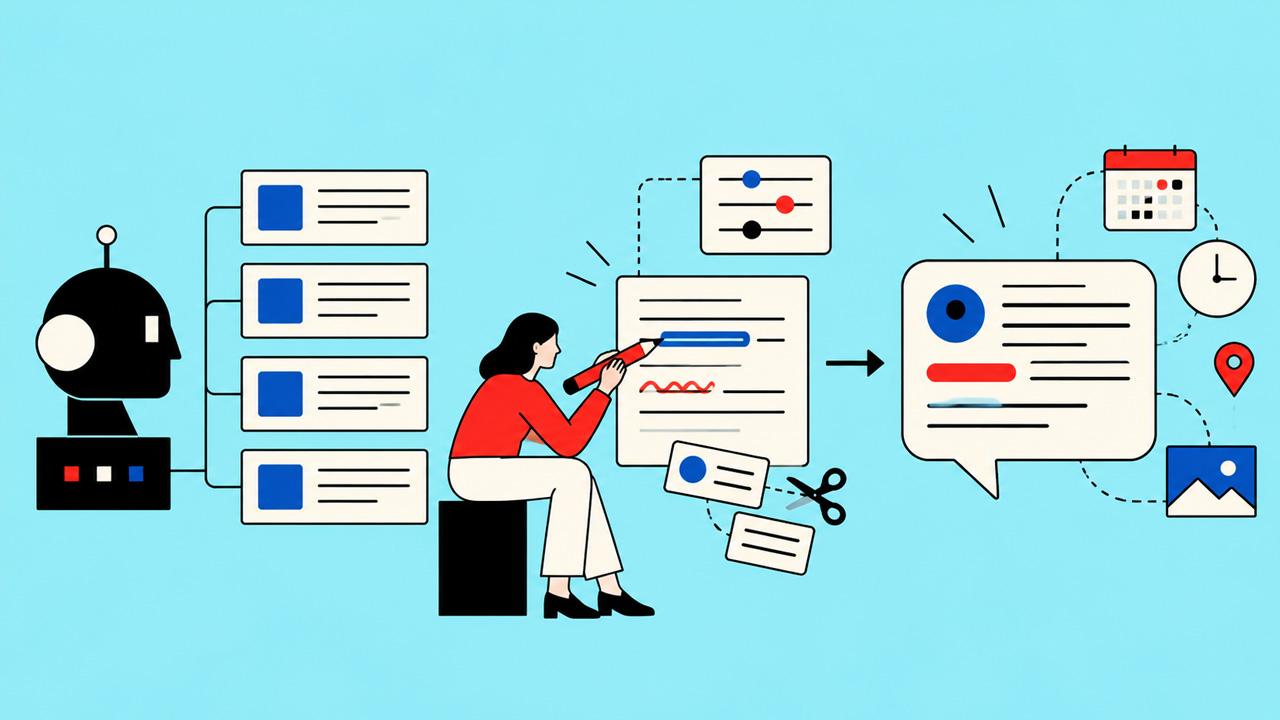
How to make ChatGPT sound more human
The habits that make ChatGPT sound like ChatGPT, the prompt fixes that change them, and why those fixes eventually stall.

How to define your brand voice: a practical method with a worked example
A five-step method for defining your brand voice, from purpose and archetype to rules you can test, with a worked example for a small business.

What is brand voice? A working definition, with examples
Brand voice is how a business sounds whenever it writes. A clear definition, how it differs from tone, and what a voice is actually made of.

Why layering compounds: how five decisions multiply into content that connects
Most content advice tells you to do one thing better. The gain is not in any single layer, it is in what happens when they stack.

Your brand needs a Jarvis
The appeal was never that Jarvis did the work. It was that he already knew everything, and still waited to be told.
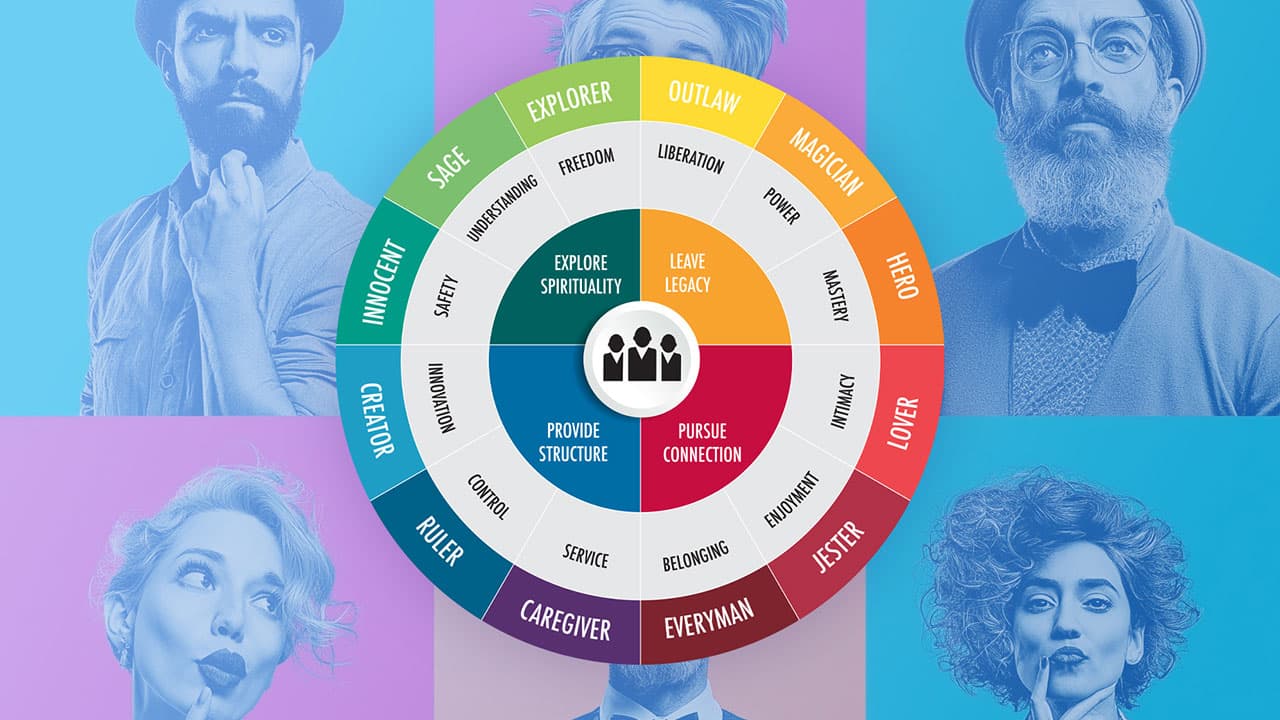
The twelve brand archetypes, and how to choose yours
Archetypes are the most useful branding model in common use, and the most commonly misapplied. Here is what each one actually does to your writing.
Some want the headline, some want the proof: how communication style changes what you write
The same facts, presented four ways, for four people who will each dismiss three of them.

Why AI content sounds generic, and what actually fixes it
Everyone can spot AI writing now. The problem is not the model, it is what the model was given to work with.

Your audience is not one person: writing for the buying committee
Nobody signs off alone. So why does almost every campaign speak to a single imagined reader?

Inside the five layers: business, brand, audience, framework, channel
A reference guide to the model BraVo runs on, and what each layer actually changes about the words that come out.